
Are Silicone Lids Safe? Food-Grade Silicone Explained
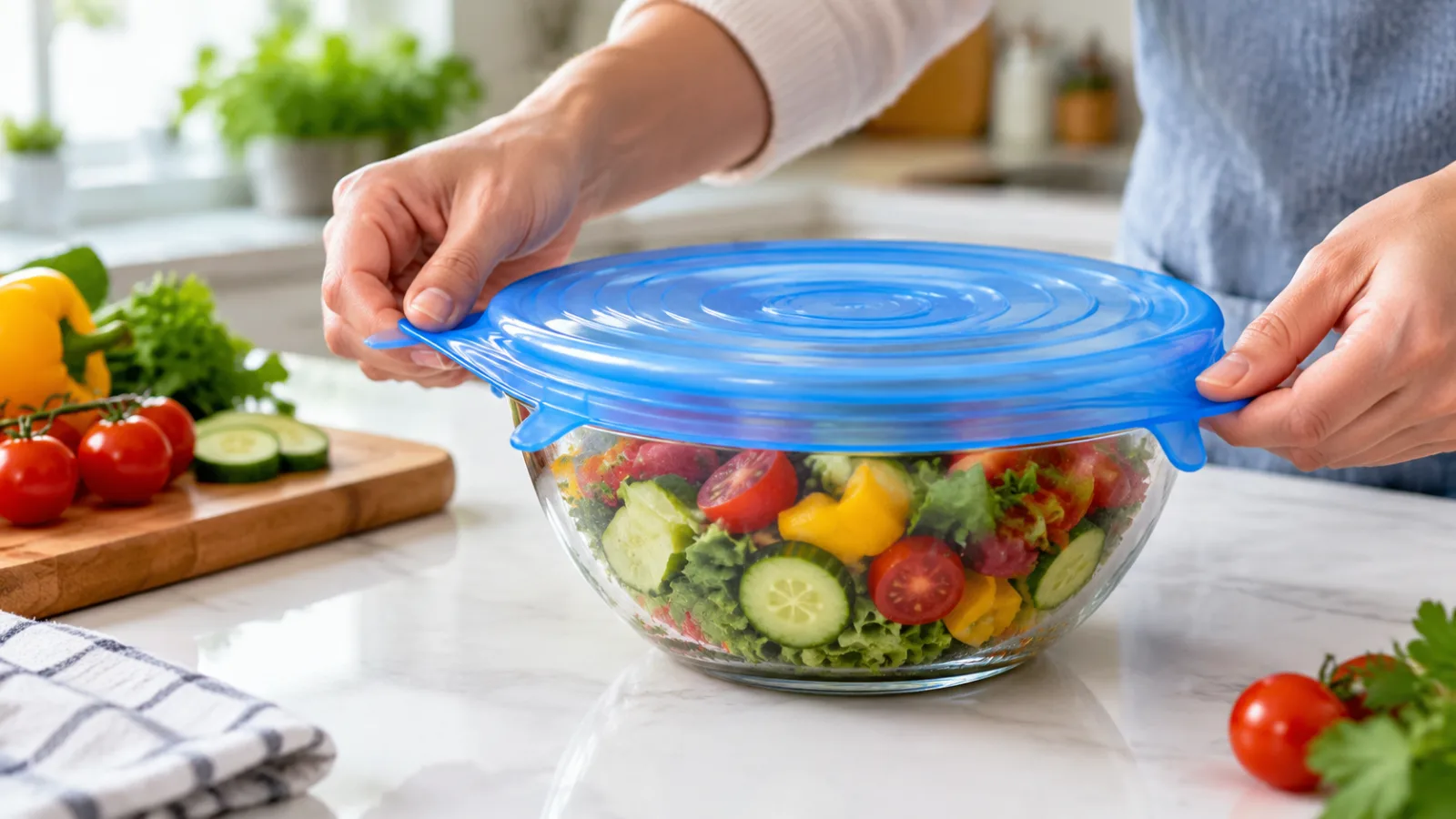
Are Silicone Lids Safe: Your steel container is safe, but what about the soft lid on top? Silicone lids seal well and flex to fit, yet many people wonder if the material itself is safe for food. The short answer is reassuring, with a tip for spotting quality.
When it comes to are silicone lids safe, the right choice depends on a few key details. Here is the short answer. Food grade silicone lids are safe for food and free of BPA. The best lids use platinum cured silicone, which is more stable and pure than cheaper types. Food grade silicone handles the freezer and usually the oven up to around 220 degrees C, but not direct flame. To check quality, pinch and twist the lid: pure silicone stays its color, while filler heavy silicone turns white.
Below is what food grade silicone is, the types, its heat limits, and how to spot a low quality lid.
What food-grade silicone is
Food grade silicone is a soft, flexible material made mainly from silicon and oxygen, both common and stable. It is safe for food contact, free of BPA and plastic softeners, and it does not react with most foods. It flexes to seal a container, handles heat and cold well, and lasts for years without cracking.
Platinum vs peroxide-cured silicone
Platinum cured silicone, sometimes called medical or food grade, is made with a platinum catalyst. It is purer, more stable, and has fewer byproducts, which makes it the top choice for food and baby products. Peroxide cured silicone is cheaper and can leave small byproducts behind. Both can be food safe, but platinum cured is the cleaner option.
Heat, freezer, and oven limits
Food grade silicone takes the freezer with ease, so a silicone lid is fine on a container you freeze. It usually handles the oven up to around 220 degrees C, which covers most reheating and baking, but check the maker’s stated limit. It cannot take direct flame or a broiler. And a silicone lid does not make a steel container microwave safe. Our guide on the microwave and freezer limits of steel covers this.
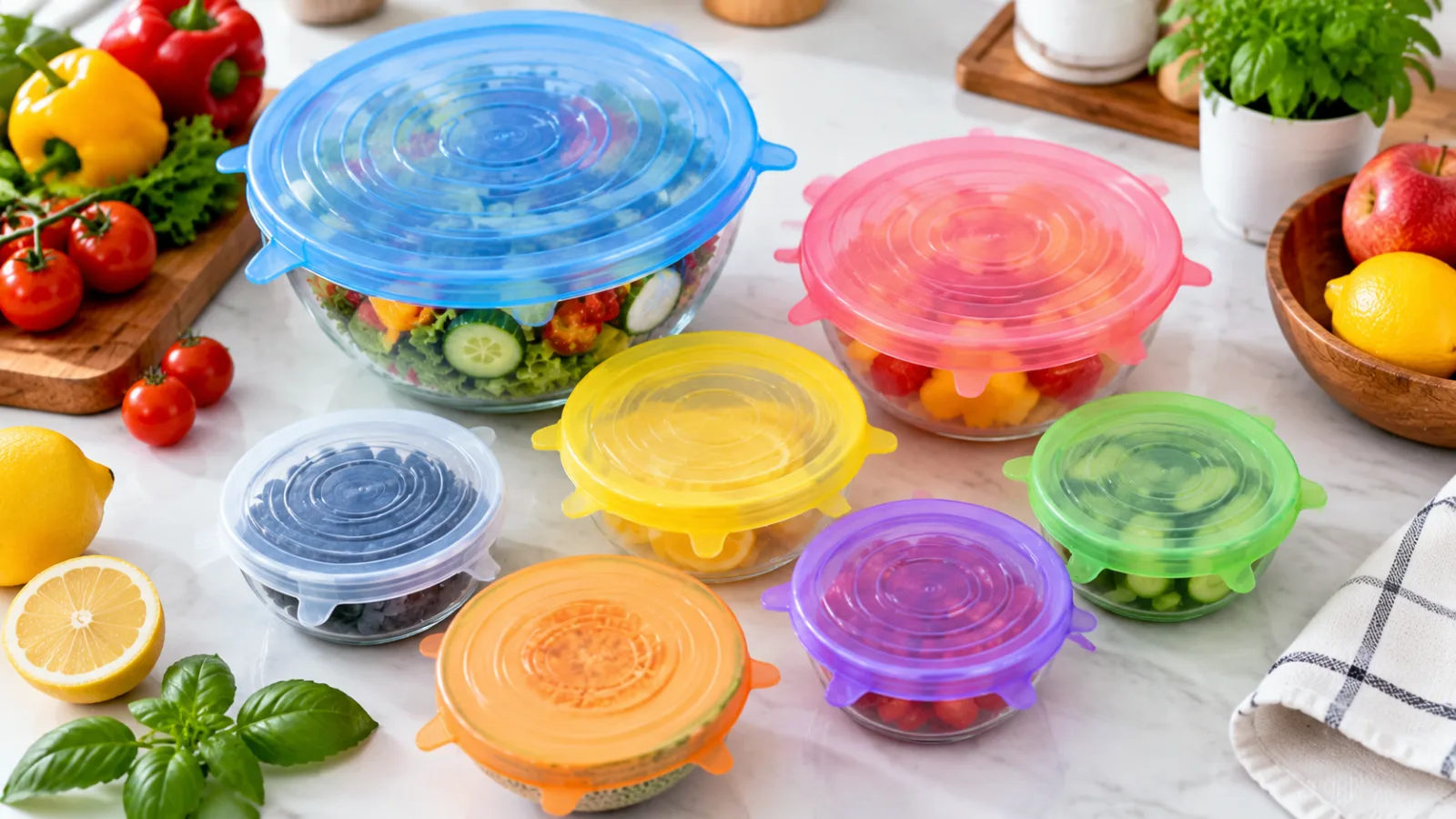
How to spot low-quality silicone
Pinch a flat part of the lid and twist it firmly. Pure, high quality silicone keeps its color under the stress. Filler heavy silicone, cut with cheaper materials, turns white or shows a pale streak where you twist. A quality lid should also feel smooth, spring back fast, and have no strong chemical smell.
Care and lifespan
Wash them by hand or on the top rack of the dishwasher. They can hold onto strong food smells, like garlic or curry, which a soak in baking soda and water removes. Keep them away from direct flame and sharp knives. Replace a lid if it cracks or loses its seal.
Comparison table
| Type | Purity | Heat limit | Best use |
|---|---|---|---|
| Platinum silicone | High | Around 220°C | Food, baby products |
| Standard food-grade | Good | Around 220°C | Everyday lids |
| Filler-heavy | Low | Lower, varies | Avoid for food |
For authoritative background, see this reference on stainless steel.
That covers the essentials of are silicone lids safe. Browse the related guides below for more, or explore the Canis Lycaon collection.
More on Are Silicone Lids Safe
- Plastic Free Food Storage Steel Containers
- Can You Microwave Freeze Stainless Steel Containers
- Best Plastic Free Food Storage
- Stainless Steel Snack Containers with Silicone Lids
Frequently asked questions
Are silicone lids safe for food?
Yes. Food grade silicone lids are safe and free of BPA and plastic softeners. They flex to seal a container, handle heat and cold well, and do not react with most foods. For the purest option, choose platinum cured silicone.
What is food-grade silicone?
Food grade silicone is a soft, stable material made mainly from silicon and oxygen, safe for food contact and free of BPA. It flexes to seal containers, takes the freezer and oven within limits, and lasts for years.
Is platinum silicone better?
Yes, for purity. Platinum cured silicone is made with a platinum catalyst, so it is purer and more stable with fewer byproducts than peroxide cured silicone. Both can be food safe, but platinum cured is the cleaner choice.
Can silicone lids go in the oven or freezer?
Food grade silicone lids take the freezer easily and usually the oven up to around 220 degrees C, which covers most reheating and baking. Check the maker’s stated limit. They cannot take direct flame, and a silicone lid does not make a steel container microwave safe.
How do you test silicone quality?
Pinch a flat part of the lid and twist it firmly. Pure, high quality silicone keeps its color, while filler heavy silicone turns white or shows a pale streak. A quality lid also feels smooth, springs back fast, and has no strong chemical smell.